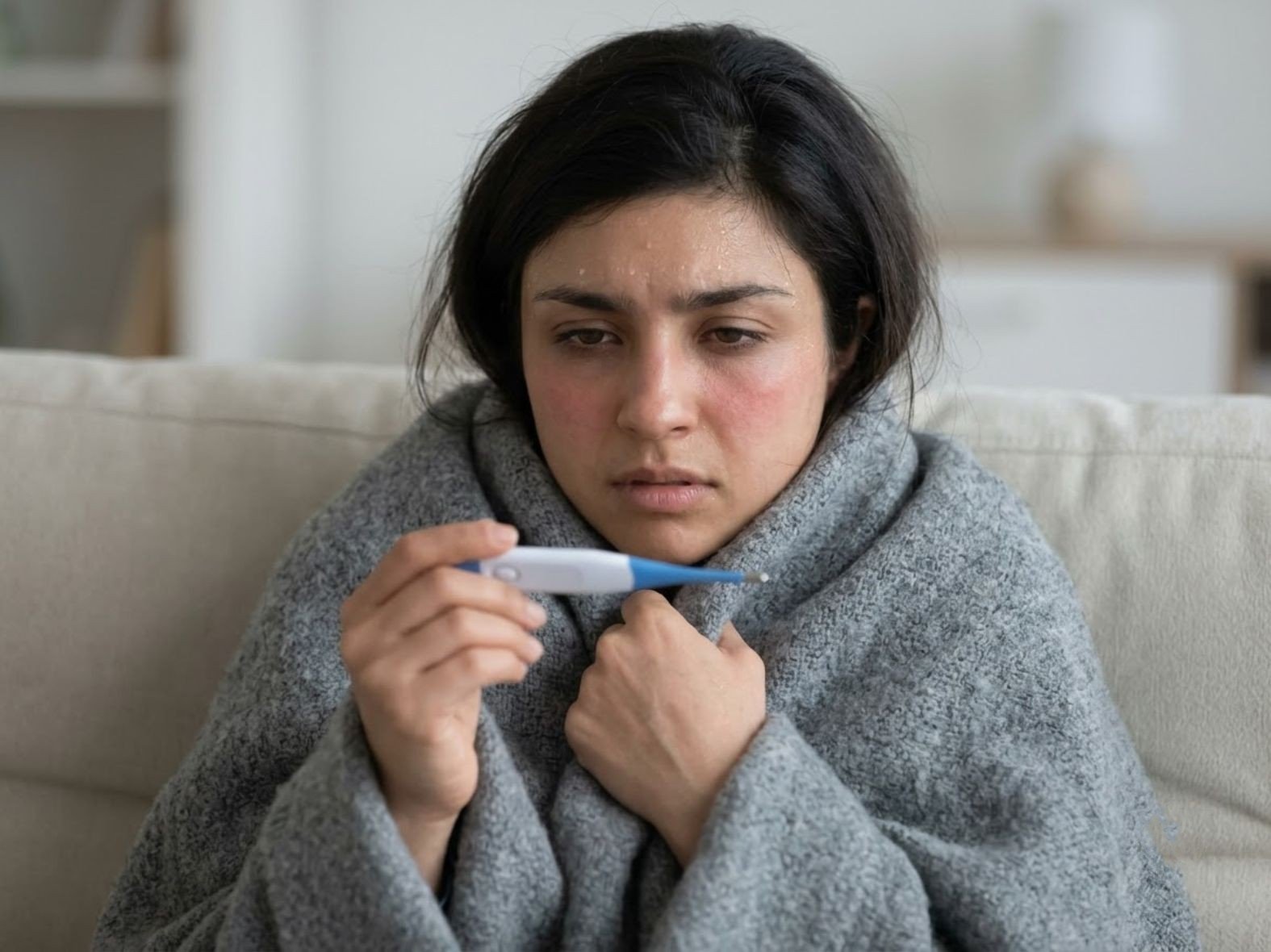
Monsoon can bring more than cloudy skies and heavy rain. Standing water and increased mosquito activity can create conditions where mosquito-borne illnesses become a greater concern. Malaria is one of the infections people should be aware of, especially when fever develops along with chills, sweating, headache, body pain, or unusual weakness.
At Leo Lab, we know that fever can leave you wondering whether it is simply a seasonal infection or something that needs further medical attention. Understanding the warning signs and seeking appropriate evaluation at the right time can help your healthcare professional decide what care you may need.
Why Malaria Becomes a Monsoon Concern
Malaria is caused by parasites transmitted through the bites of infected Anopheles mosquitoes. The illness can affect people of different ages, and symptoms can vary from one person to another.
During the rainy season, water can collect in different places and create mosquito breeding environments. This makes mosquito protection particularly important for families living in or travelling through areas where malaria occurs.
However, not every fever during monsoon is malaria. Viral infections, other mosquito-borne diseases, and several other conditions can produce similar symptoms. That is why symptoms alone cannot confirm malaria.
The Fever May Not Be Your Only Symptom
A malaria infection can cause fever along with chills, sweating, headache, muscle aches, tiredness, and weakness. Some people may also experience nausea, vomiting, or other digestive symptoms.
You may initially think you have a normal seasonal fever, especially when the symptoms are mild. But if the fever continues, returns, or is accompanied by increasing weakness and other concerning symptoms, it is important to speak with a healthcare professional.
Depending on your symptoms and medical history, your doctor may recommend a Malaria test as part of the diagnostic evaluation.
Why Chills and Sweating Should Get Your Attention
Some people with malaria experience episodes where they feel intensely cold or develop chills before a rise in body temperature, followed by sweating.
This pattern can be concerning, but it is important to remember that similar symptoms can occur with other illnesses as well.
Rather than trying to identify the infection yourself, tell your doctor exactly what you are experiencing, including when the fever began, how often it occurs, and whether you have chills, sweating, headache, body pain, vomiting, or weakness.
This information can help your healthcare professional decide what investigations are appropriate.
Children May Show Different Warning Signs
When a child develops a fever during monsoon, parents naturally become concerned.
A child may become unusually quiet, lose interest in playing, refuse food, complain of headache or body pain, or become more tired than normal. Younger children may not be able to explain their symptoms clearly, so changes in behavior can be important clues.
If your child has persistent fever, difficulty drinking fluids, repeated vomiting, unusual sleepiness, breathing difficulty, seizures, or any rapidly worsening symptoms, seek medical care promptly.
Do not wait for routine laboratory testing if your child appears seriously unwell.
Adults Can Easily Mistake the Symptoms for Exhaustion
For working adults, fever and weakness are often blamed on stress, lack of sleep, or overwork. You may take something to reduce the fever and continue with your normal routine.
But persistent fever should not simply be ignored.
If you develop fever with chills, sweating, headache, body aches, vomiting, or significant weakness, speak with a healthcare professional. If malaria is suspected, appropriate testing can help provide information for the clinical evaluation.
Older Adults May Need Closer Attention
Older people may respond differently to infections. Instead of showing an obvious high fever, they may become unusually weak, confused, sleepy, or lose their appetite.
If an older family member suddenly changes their normal behavior or becomes significantly weaker during an illness, medical advice should be sought promptly.
People with existing health conditions may also need individualized medical evaluation when they develop fever or other infection-related symptoms.
How a Malaria Test Supports Diagnosis
One of the most common questions people ask is, “Can I know if I have malaria just from my symptoms?”
Unfortunately, symptoms alone are not enough to confirm malaria.
A Malaria test can provide laboratory information that your healthcare professional can use alongside your symptoms, travel or exposure history, physical examination, and other relevant findings.
At Leo Lab, our role is to provide diagnostic information that supports your healthcare journey. Your doctor will determine which investigation is appropriate and interpret the results before deciding on treatment.
Do Not Self-Treat Every Monsoon Fever
It is understandable to reach for medicines you have used during previous fevers. But different infections require different approaches.
Antibiotics, for example, do not treat malaria, and taking medicines without medical guidance can sometimes delay appropriate treatment.
If your fever persists or your symptoms are getting worse, speak with a healthcare professional rather than repeatedly treating the symptoms without understanding the possible cause.
When Fever Needs Urgent Medical Attention
Most people with fever do not require emergency care, but certain warning signs should never be ignored.
Seek urgent medical attention if you or a family member develops severe weakness, confusion, seizures, difficulty breathing, persistent vomiting, severe dehydration, loss of consciousness, or rapidly worsening symptoms.
Malaria can become serious if it is not appropriately diagnosed and treated. Early medical evaluation is particularly important for young children, older adults, pregnant women, and people with certain underlying health conditions.
Protect Your Family From Mosquito Bites
Testing is only one part of protecting yourself during monsoon.
Try to reduce mosquito exposure by using appropriate mosquito repellents, wearing clothing that limits exposed skin, using mosquito nets where appropriate, and reducing standing water around your home.
If water collects in containers, plant pots, discarded items, or other areas, remove it regularly where possible.
These simple measures can help reduce exposure to mosquitoes and several mosquito-borne illnesses.
Convenient Diagnostic Support From Leo Lab
When you have fever and weakness, travelling to a laboratory may not always feel easy. This is especially true when a child or older family member is unwell.
At Leo Lab, we provide convenient access to diagnostic services through our locations serving areas such as Thottada, Valiyannir, Kuthuparamba, and Taliparamba.
Our home sample collection service can also make testing more convenient for eligible services, allowing sample collection from the comfort of your home.
Quality-Focused Testing When You Need It
At Leo Lab, we understand that patients want reliable information when they are worried about an infection. Our diagnostic services focus on quality, patient convenience, and timely reporting.
As a NABH accredited organization, we follow established quality and patient-care standards. Where applicable, we aim to provide Fast result services so that relevant diagnostic information can reach you and your healthcare professional in a timely manner.
Our diagnostic lab services are designed to support patients through different healthcare needs while keeping the experience simple and patient-friendly.
Don’t Ignore a Persistent Fever During Monsoon
A fever during monsoon may be caused by many different conditions, and malaria is only one possibility. Chills, sweating, headache, body pain, vomiting, and unusual weakness can be important symptoms that deserve attention when they persist or become severe.
At Leo Lab, we help provide diagnostic information when your healthcare professional recommends a Malaria test. With convenient services and home sample collection, we aim to make diagnostic care easier when you or your family needs it.