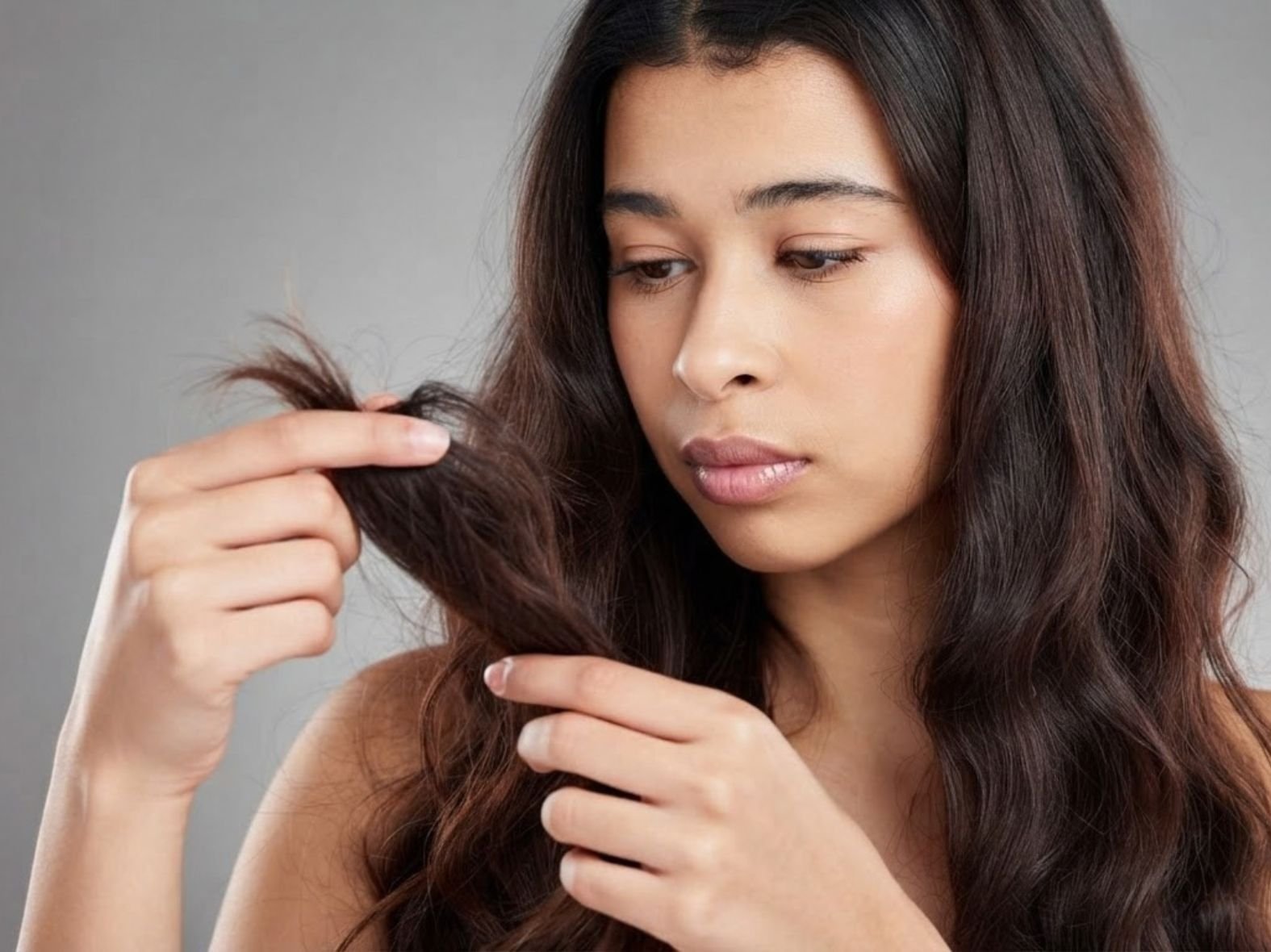
Hair loss can change more than your appearance. When you notice more hair on your pillow, in the shower, or on your comb, it is natural to feel worried. You may start comparing your hair with others, avoiding certain hairstyles, or looking for ways to hide thinning areas.
For some people, hair loss gradually affects confidence and self-image. You may feel less comfortable in photographs, social situations, or even at work. These feelings are real, and you do not have to dismiss them as “just hair.”
At Leo Lab, we believe that understanding what is happening inside your body is an important first step. Our Hair Care Packages are designed to provide useful health information that can help healthcare professionals investigate possible factors associated with hair fall and thinning hair.
When Hair Fall Starts Affecting Your Confidence
A few strands of hair falling every day is normal. The concern begins when you notice a clear change from your usual hair growth.
You may find that your hair is becoming thinner, your parting looks wider, your hairline is changing, or you are losing more hair than before.
For women, hair loss can sometimes be particularly stressful because it may occur alongside hormonal changes, menstrual concerns, or other changes in the body.
For men, a receding hairline or thinning crown can affect confidence and create concerns about appearance and aging.
Regardless of your gender, persistent hair loss can become emotionally exhausting.
You may start thinking:
“Why is my hair falling so much?”
“Is this going to get worse?”
“What is causing my hair loss?”
These are questions worth investigating rather than simply covering up the symptoms.
Hair Loss Does Not Always Start in Your Scalp
One of the biggest misconceptions about hair loss is that the problem is always related to the hair itself.
Your hair growth can be influenced by many factors inside and outside your body.
Nutritional deficiencies, hormonal changes, stress, certain medical conditions, lifestyle factors, and inadequate nutrition may all play a role in some cases.
For example, someone experiencing prolonged stress may notice increased shedding. Another person may have a nutritional deficiency that affects normal hair growth. Hormonal changes can also influence the hair cycle.
This is why simply changing shampoos may not address the underlying reason.
The Hair Cycle Can Tell You a Lot
Your hair does not grow continuously at the same rate.
Each strand moves through different phases of growth, rest, and shedding. When something disrupts this natural cycle, you may begin noticing increased hair fall or reduced hair density.
Sometimes the trigger is temporary. In other cases, ongoing factors may continue affecting the hair cycle.
Understanding the possible cause is therefore more useful than simply focusing on the amount of hair you are losing.
This is where proper health evaluation can become an important part of your Hair loss treatment journey.
What Could Be Behind Your Hair Loss?
There is no single reason for hair fall.
Some common factors that may be associated with hair loss include:
- Nutritional deficiencies
- Hormonal changes
- Prolonged stress
- Poor dietary habits
- Rapid weight changes
- Certain medical conditions
- Family history
- Changes associated with aging
- Inadequate sleep
- Some medications
This does not mean that every person with hair loss has one of these problems.
The right approach is to understand your individual situation with guidance from a qualified healthcare professional.
When Hair Loss Becomes an Emotional Problem
Hair loss can affect your mind as much as your appearance.
You may feel uncomfortable meeting people, hesitate to attend events, or constantly think about whether others are noticing your thinning hair.
Some people begin wearing caps or changing hairstyles simply to hide areas where hair has become thinner.
Over time, this can affect self-confidence.
At Leo Lab, we understand that hair health is not only about appearance. When something changes your confidence and quality of life, it deserves attention.
Seeking appropriate healthcare does not mean you are being overly concerned about your appearance. It means you are listening to yourself.
Our Hair Care Packages: Looking Beyond the Hair
At Leo Lab, our Hair Care Packages are designed to provide diagnostic information that can help healthcare professionals investigate possible internal factors associated with hair loss.
The purpose is not to promise a single cause or a guaranteed solution. Hair loss can have many different causes, and proper interpretation requires consideration of your symptoms, medical history, physical examination, and other relevant factors.
Our diagnostic information can help your healthcare professional decide whether nutritional, hormonal, metabolic, or other health factors may need further attention.
That can make your Hair loss treatment journey more informed and focused.
Don’t Start Treatments Based Only on Social Media
Today, it is easy to find hundreds of hair growth tips online.
One person recommends supplements. Another promotes a particular oil. Someone else suggests a strict diet or a product that promises rapid hair growth.
But what works for one person may not be appropriate for another.
Taking supplements without knowing whether you actually have a deficiency may not solve the problem. Similarly, changing products repeatedly may not help if the underlying issue is related to your overall health.
Before starting a long-term Hair loss treatment, understanding the possible reason for your hair loss is a smarter approach.
What You Can Do While Investigating Hair Loss
While your healthcare professional evaluates your condition, you can also pay attention to your everyday habits.
Try to maintain a balanced diet with adequate nutrients, get sufficient sleep, manage ongoing stress, and avoid unnecessarily harsh hair practices.
Avoid extreme dieting or sudden weight-loss plans, especially if you are already experiencing increased shedding.
Also, keep track of when your hair loss started and whether it changed after an illness, major stress, dietary change, medication, or hormonal change.
These details can be useful when discussing your concerns with a healthcare professional.
A Simple First Step Toward Understanding Your Hair Health
You do not always need to wait until your hair loss becomes severe before looking into it.
If you have noticed persistent shedding, visible thinning, changes in hair density, or a sudden increase in hair fall, consider discussing it with a qualified healthcare professional.
At Leo Lab, our goal is to make the diagnostic part of that journey easier and more accessible.
We provide online booking, so you can schedule your visit without unnecessary delays. Our home sample collection service can also make sample collection more convenient for eligible patients.
Whether you are looking for a diagnostic lab in Kannur or need accessible diagnostic services in Kerala, we are here to support your healthcare journey.
Your Hair May Be Showing You Something
Hair loss can feel frustrating because you can see the change every day. But instead of immediately blaming your shampoo, age, genetics, or stress, take a step back and consider the bigger picture.
Your hair can sometimes reflect changes happening within your body.
At Leo Lab, our Hair Care Packages provide diagnostic support that can help your healthcare professional investigate relevant health factors and decide what further care may be appropriate.
The right Hair loss treatment begins with understanding the problem—not simply hiding it.
You deserve to feel confident in your hair and comfortable in your own skin. Start by understanding what your body is telling you.